By
By 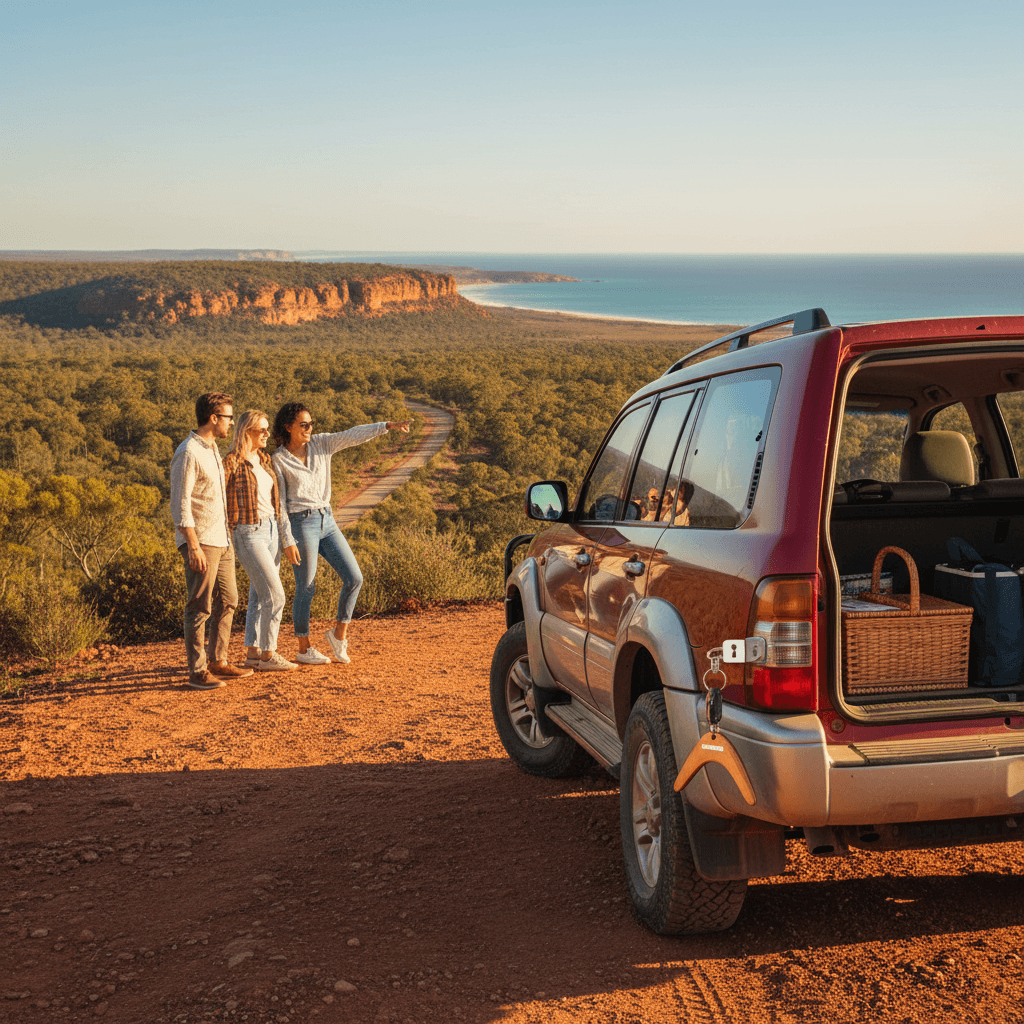
Australia is a land of incredible natural beauty and vast open spaces. I have always found that to truly experience its diverse landscapes you need the freedom of your own vehicle. From the stunning coastal drives to the rugged outback trails, a car gives you the flexibility to explore at your own pace.
However finding affordable car hire can sometimes feel like a challenge. Many travelers worry about hidden costs or simply not knowing where to start their search. My goal here is to share some practical insights and tips I have gathered over the years.
We want to help you make your Australian adventures both memorable and budget-friendly. This guide will walk you through the essential steps to secure great deals on car rentals so you can focus on the journey ahead.
Plan Your Car Hire Early and Travel Smart for Savings
One of the biggest factors in securing a good deal on car hire is how far in advance you book. I always advise people to reserve their vehicle as soon as their travel dates are firm. Car rental prices often increase as demand rises and as you get closer to your pickup date.
Booking early gives you access to a wider selection of vehicles and typically better rates. I have seen prices jump significantly in just a few weeks leading up to peak travel times.
Consider the timing of your trip to Australia. Peak tourist seasons like school holidays and major public events naturally drive up prices for everything from flights to accommodation and yes, car hire. If your schedule allows I recommend traveling during the shoulder seasons.
These periods are usually springtime from September to November or autumn from March to May. The weather is still pleasant and the crowds are smaller. You will find that car rental companies often offer more competitive rates during these quieter months because they want to keep their fleet busy.
Understanding Australia’s Travel Seasons
Australia’s vastness means different regions have different peak seasons. For example the tropical north experiences its dry season from May to October which is often when tourists flock there. This period will have higher car hire costs for places like Cairns and Darwin.
On the other hand southern states like Victoria and New South Wales are popular during their summer months from December to February. If you are planning a trip to Sydney or Melbourne you might want to aim for late autumn or early spring to find more economical car rental options.
I have often found great deals by being flexible with my exact travel dates by a few days. Sometimes shifting your pickup or drop-off by a day or two can unlock surprising savings because it aligns with a rental company’s fleet availability.
Compare Rental Options to Suit Your Australian Journey
When I look for car hire I always start with a comprehensive comparison. Many websites allow you to compare prices from multiple rental companies at once. This saves a lot of time and effort because you do not have to visit each company’s site individually.
Do not just stick to the big international names. While companies like Hertz Avis and Europcar are reliable there are often excellent local Australian rental businesses that offer equally good or even better deals. I make sure to check out some of these smaller local operators because they can be quite competitive especially for longer rental periods.
Your choice of vehicle also plays a big role in the overall cost. Think about what kind of adventures you plan to have. Are you mostly sticking to paved roads in cities or do you intend to explore some national parks with unsealed tracks?
A compact car is usually the most affordable option for city driving and shorter trips. If you need more space for luggage or plan to drive long distances on diverse terrain an SUV or a larger sedan might be a better fit but it will cost more.
Considering Manual Versus Automatic Transmission
In Australia most rental cars are automatic transmission. If you are comfortable driving a manual car you might occasionally find slightly cheaper rates but these are less common.
I always confirm the transmission type before booking to avoid surprises. Also consider how many passengers and how much luggage you will have. Trying to cram everything into a small car to save a few dollars can make a long road trip very uncomfortable for everyone.
Remember that fuel efficiency also matters especially with Australia’s long driving distances. A smaller more fuel-efficient car could save you a good amount of money over your trip so calculate potential fuel costs into your decision.
Understanding and Managing Car Rental Insurance
Car rental insurance can be one of the most confusing parts of the booking process. I always take the time to understand exactly what is covered and what my liabilities are. Most basic car hire agreements in Australia include a standard damage waiver with a high excess amount.
This means if there is damage you are responsible for paying up to that excess amount. This excess can be several thousand dollars which is a significant sum if something goes wrong.
Rental companies will offer additional insurance options to reduce this excess to zero or a much lower figure. This is often called “excess reduction” or “full protection.” While it adds to the daily rental cost it can provide peace of mind.
I usually weigh the daily cost against my comfort level with risk. For shorter trips or if I am driving mostly in urban areas I might opt for the basic coverage. But for longer journeys or trips involving more remote areas I often choose the extra protection.
Alternative Insurance Options for Travelers
Many travel insurance policies offer car rental excess coverage as an add-on. I find this can be a much more cost-effective option than buying the daily insurance directly from the car rental company. It often covers a wider range of incidents and can be applied to multiple rentals if you have them.
Check with your credit card company too. Some premium credit cards include complimentary car rental insurance if you use their card to pay for the rental. I always recommend calling your credit card provider directly to confirm the exact details of their coverage including any exclusions or claim procedures.
Always read the fine print of any insurance policy or credit card benefit. Ensure you understand what is covered what is not and what steps you need to take if you need to make a claim. Being prepared helps avoid unexpected expenses later on.
Do not feel pressured at the rental counter to buy insurance you do not need. I calmly explain that I have my own coverage if that is the case. It is your right to choose the best option for your situation.
Managing Fuel and Mileage for Economical Driving
Australia has vast distances between towns so fuel costs can quickly add up. I always pay close attention to the fuel policy of my rental car. Most companies offer a full-to-full policy meaning you pick up the car with a full tank and return it full.
This is usually the most economical option. I make sure to fill up the tank just before returning the car ideally at a station close to the drop-off location. Rental companies charge a premium if they have to refuel the car for you and that can be expensive.
Some companies offer a pre-paid fuel option where you buy a full tank upfront at their rate. I only consider this if I know I will return the car almost empty and the pre-paid price is competitive with local fuel stations. This is often not the case so calculate carefully.
Unlimited Mileage and Route Planning
When booking I always look for car hire that includes unlimited mileage. Given the long distances involved in exploring Australia this is almost essential. You do not want to be worrying about extra charges for every kilometer you drive.
Most rental agreements for tourism in Australia come with unlimited kilometers but always double-check the terms and conditions. I once almost booked a great deal only to find it had a low daily mileage cap and then steep per-kilometer charges.
Planning your route strategically can also save on fuel. I use mapping apps to find the most efficient routes and also to locate fuel stations along the way. In remote areas fuel stations can be few and far between so I never let my tank get too low.
Consider the type of fuel your car uses. Most passenger cars in Australia use unleaded petrol but some larger vehicles or certain models might require diesel. I always confirm this at pickup and then stick to the correct fuel type to avoid engine damage.
Avoiding Hidden Fees and Unexpected Charges
Many car rental companies have various optional extras and fees that can inflate the total cost if you are not careful. I always scrutinize the breakdown of charges before confirming my booking. One common fee is for additional drivers.
If more than one person will be driving the rental car you usually need to add them to the rental agreement. There is often a daily charge for each additional driver. I factor this into my budget from the start and only add drivers who will actually be taking the wheel.
Another charge to watch for is one-way rental fees. If you pick up a car in one city like Sydney and drop it off in another like Melbourne there is often a significant one-way fee. This fee covers the cost of transporting the vehicle back to its original location.
Sometimes the convenience of a one-way trip outweighs the cost but I always compare it to the price of a round trip or flying between locations. Child seats or booster seats are also typically an extra charge. If you are traveling with young children it might be more cost-effective to bring your own if feasible.
Roadside Assistance and GPS Devices
Standard car hire usually includes basic roadside assistance for mechanical breakdowns. However some rental companies offer premium roadside assistance that covers things like flat tires lost keys or running out of fuel. I usually decline this because my travel insurance often has a similar benefit or I rely on my credit card’s travel perks.
GPS devices are another common add-on. With smartphones and readily available mapping apps like Google Maps or Apple Maps I rarely rent a separate GPS. I make sure my phone has a local SIM card or adequate international roaming data so I can navigate easily.
Always clarify any charges you do not understand. I do not hesitate to ask questions at the rental counter until I am completely clear on the total cost and what it includes. This proactive approach helps to avoid nasty surprises when you return the car.
Smart Pickup and Drop-off Choices
The location where you pick up and drop off your rental car can significantly impact the price. I have found that renting from major airports often comes with an airport surcharge. These fees are levied by the airport and passed on to you by the rental company.
If you are looking to save money consider picking up your car from an off-airport branch located in a nearby city or suburb. It might require a short taxi ride or public transport journey but the savings can be substantial especially for longer rentals.
I always compare the total cost including the surcharge versus the cost of getting to an off-airport location. Sometimes the convenience of an airport pickup is worth the extra fee but it is always good to know your options.
When you pick up the car I always do a thorough inspection. I check for any existing scratches dents or other damage both inside and out. I take photos or videos as evidence and make sure all existing damage is clearly noted on the rental agreement before I drive away.
Returning the Vehicle and Final Checks
Before dropping off the car I ensure it is clean and tidy. While minor dirt is usually acceptable excessive mess or stains can lead to cleaning fees. I also check that I have not left any personal belongings behind.
Again I take photos of the car both inside and out especially of the fuel gauge and odometer before I hand over the keys. This provides a record of the car’s condition at return and helps dispute any false claims of damage later on.
I always return the car within the agreed-upon time frame. Late returns can result in additional hourly or daily charges. If I know I am running late I try to contact the rental company in advance to see if I can extend the rental or at least notify them.
These simple steps at pickup and drop-off can save you from unexpected charges and ensure a smooth rental experience during your Australian adventures. Being meticulous protects your wallet.
Make Your Australia Adventures Affordable with Smart Car Hire
I have learned that traveling across Australia by car is an incredible experience. This vast continent offers so much to see and do. Planning your car hire carefully means more money for experiences and less for rental fees. I always start by booking early to lock in better rates and a wider vehicle selection. Consider traveling during off-peak seasons when the prices are generally lower and the popular spots are less crowded. I also strongly recommend comparing prices from various providers including local companies to find the best deal for your specific needs.
Understanding insurance options is also very important. Whether you rely on your credit card travel insurance or the rental company’s offerings know what you are getting into and what your liability is. I avoid unnecessary add-ons like extra GPS units or premium roadside assistance if I already have coverage. Being mindful of fuel policies and ensuring you have unlimited mileage will prevent unexpected expenses on those long Australian drives. Remember to always inspect the vehicle thoroughly at pickup and document any existing damage. These tips will help you secure affordable Australia car hire so you can fully enjoy every moment of your trip. Take these insights and embark on your journey with confidence knowing you have secured the best possible deal.